Claim Your Free Gutter Cleaning With Roof Job
How Long Does a Roof Last? Signs You Need a New Roof & Understanding the Average Roof Lifespan
Your roof is one of the most important components of your home. It protects your family, belongings, and structure from harsh weather, leaks, and pests. But how long does a roof last? Understanding the typical lifespan of your roofing material, recognizing the signs you need a new roof, and knowing the proper roof replacement timeline can save you from costly repairs and unexpected damage. In this guide, we’ll break it down step by step.
1. Understanding the Average Roof Lifespan
The average roof lifespan varies depending on the material, installation quality, and maintenance. Knowing these timelines helps you plan for replacement before serious issues occur.
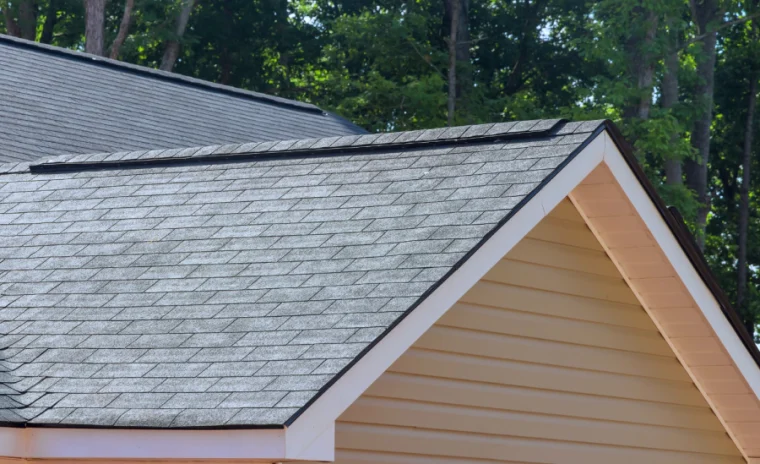
- Asphalt Shingles: The most common roofing material in the U.S., asphalt shingles typically last 15 to 30 years, with premium shingles lasting closer to 30 years.
- Metal Roofs: Durable and resistant to weather, metal roofs can last 40 to 70 years depending on the type and coating.
- Wood Shingles & Shakes: Naturally beautiful but higher maintenance, wood roofs generally last 20 to 40 years.
- Tile Roofs: Clay or concrete tiles can endure 50 to 100 years, but the underlayment may require periodic replacement.
- Slate Roofs: Known for extreme durability, slate roofs can last 75 to 200 years, often making them a lifetime investment.
By knowing your roof material and its typical lifespan, you can anticipate maintenance needs and plan a roof replacement timeline that avoids emergency repairs.
2. Key Signs You Need a New Roof
Even if your roof hasn’t reached the end of its expected lifespan, certain warning signs indicate it may be time for a replacement. Being proactive can prevent costly water damage or structural issues.
- Curling or Missing Shingles
Shingles that curl, crack, or fall off reduce your roof’s effectiveness and protection against water infiltration. - Granule Loss
Asphalt shingles shed granules over time. If you notice a lot of granules in gutters or on the ground, your shingles may be nearing the end of their life. - Leaks or Water Damage
Water stains on ceilings, walls, or in the attic are clear indicators that your roof is failing. - Sagging Roof Deck
A sagging roof suggests structural damage, often due to water or age, and requires immediate attention. - Increased Energy Bills
Older roofs with poor insulation can cause heating and cooling inefficiencies, leading to higher energy bills. - Visible Mold, Moss, or Algae
While moss and algae are common in damp climates, excessive growth can compromise shingles and roof integrity. - Age of the Roof
Even if no obvious damage is visible, an older roof nearing the end of its expected lifespan, especially asphalt shingles past 20 to 25 years, may warrant replacement.
Being aware of these signs you need a new roof helps you address problems early and maintain a safe, protected home.
3. Lifespan of Asphalt Shingles
Asphalt shingles are the most widely used roofing material due to their affordability and ease of installation. However, their lifespan can vary depending on quality and climate conditions.
- Standard 3-Tab Shingles: Typically last 15 to 20 years.
- Architectural Shingles: Higher-quality, layered shingles that last 25 to 30 years.
- Premium Asphalt Shingles: Can reach 30 to 35 years, especially with proper maintenance.
Regular inspections, cleaning debris, and repairing minor damage can extend the lifespan of asphalt shingles closer to the upper end of the expected timeline.
4. Roof Replacement Timeline
Planning a roof replacement timeline helps homeowners avoid unexpected failures and budget effectively. Here’s a general guide based on roof type:
- Asphalt Shingles: Plan for replacement every 20 to 30 years, earlier if multiple warning signs appear.
- Metal Roofs: Inspect every 20 years, with replacement usually around 40 to 70 years.
- Wood Shingles: Replace every 20 to 40 years, depending on climate and maintenance.
- Tile Roofs: Check underlayment every 20 to 30 years; tile itself may last up to 100 years.
- Slate Roofs: Typically only replaced when individual tiles fail, often after 75+ years.
Scheduling inspections every few years, especially after storms, ensures your roof remains safe and functional throughout its average roof lifespan.
5. Tips to Extend Your Roof’s Life
While all roofs eventually need replacement, proper care can maximize longevity:
- Regular Inspections: Check for damage after storms and seasonally.
- Clean Gutters and Roof: Remove leaves, branches, and debris to prevent water buildup.
- Repair Minor Damage Promptly: Fix small leaks or missing shingles before they escalate.
- Trim Overhanging Trees: Prevent branch damage and reduce moss or algae growth.
- Maintain Attic Ventilation: Proper airflow prevents heat and moisture buildup that can degrade shingles.
By implementing these practices, you can make your roof last closer to or beyond its expected lifespan, delaying costly replacements.
Final Thoughts
Understanding how long a roof lasts, the signs you need a new roof, and following a proper roof replacement timeline are essential steps in protecting your home. Whether you have asphalt shingles, metal roofing, or tile, being proactive allows you to plan replacements and repairs strategically rather than reactively.
If you’re unsure about the condition of your roof, consider consulting a professional roofing contractor. Regular inspections and maintenance not only extend your roof’s life but also provide peace of mind knowing your home remains safe, dry, and energy-efficient.
Keep track of your roof’s age, monitor for warning signs, and follow a replacement timeline suited to your material. Doing so ensures your home stays protected and maintains its value for years to come.